

Chiricahua & Dragoon
Southern Arizona Photography Workshop
September 11 - 13, 2026
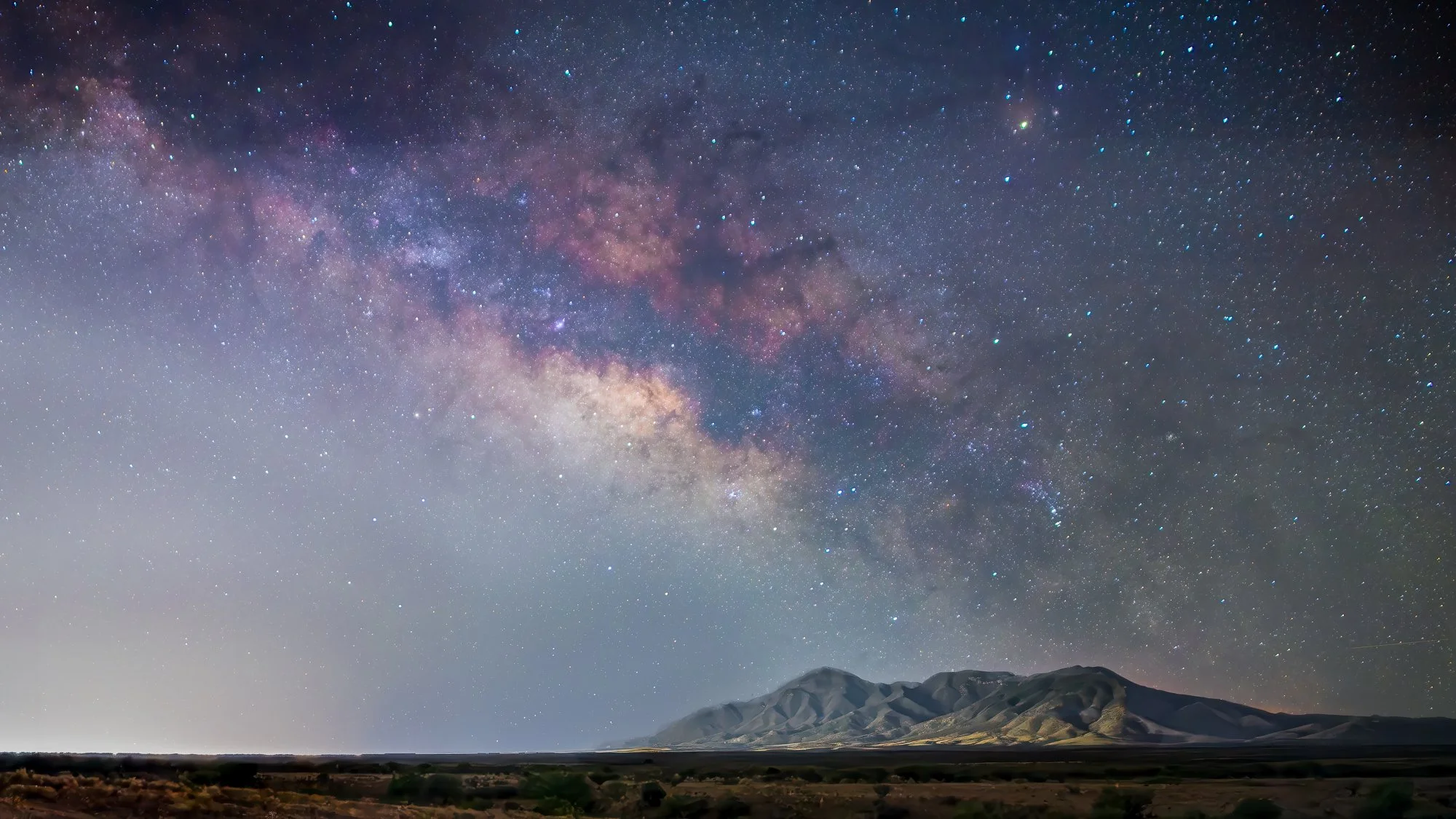
Photograph hoodoos, rugged desert landscapes, and iconic Southwest scenes under some of the darkest skies in Arizona.
From Iconic Southwest Scenes to Rugged Mountain Landscapes
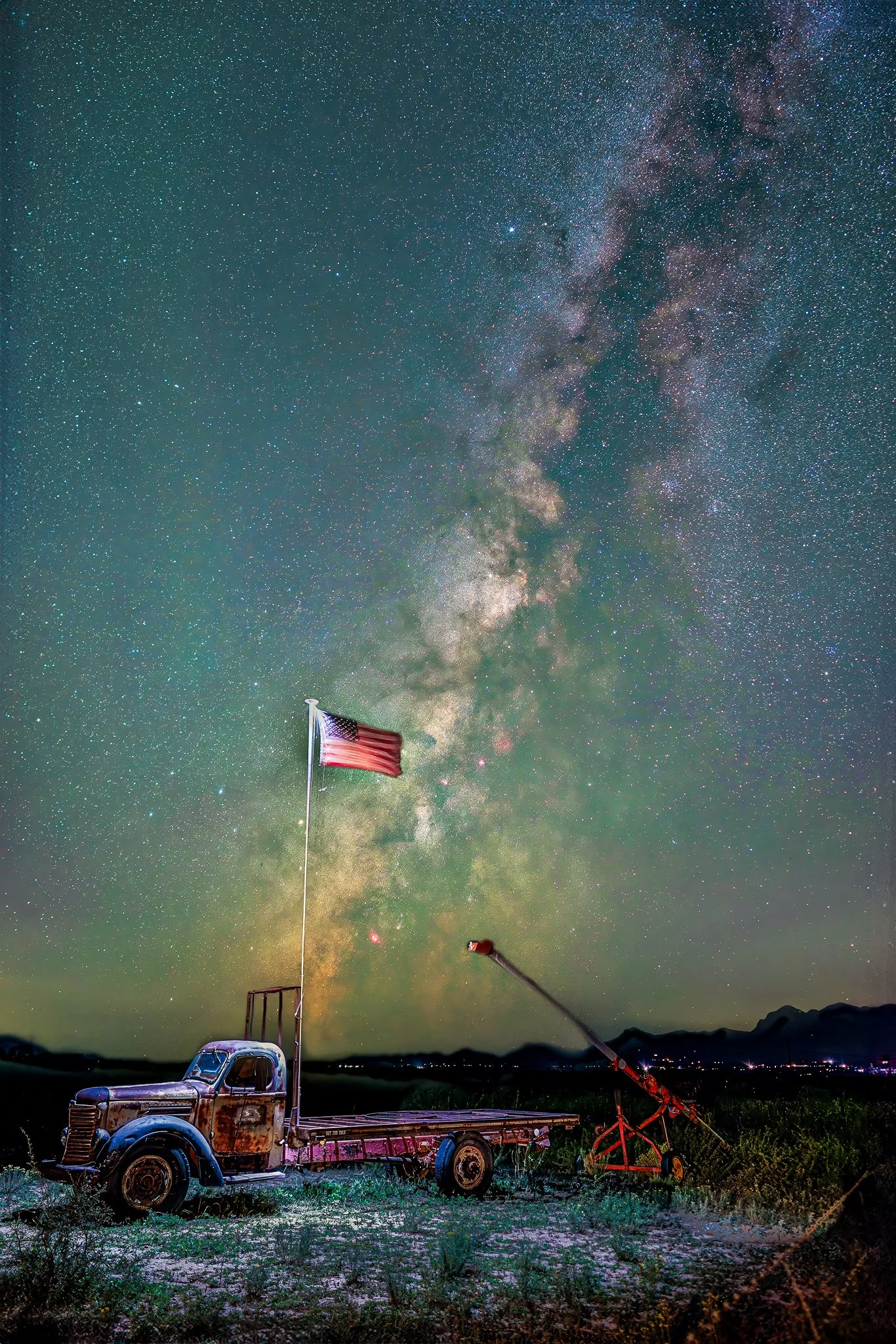
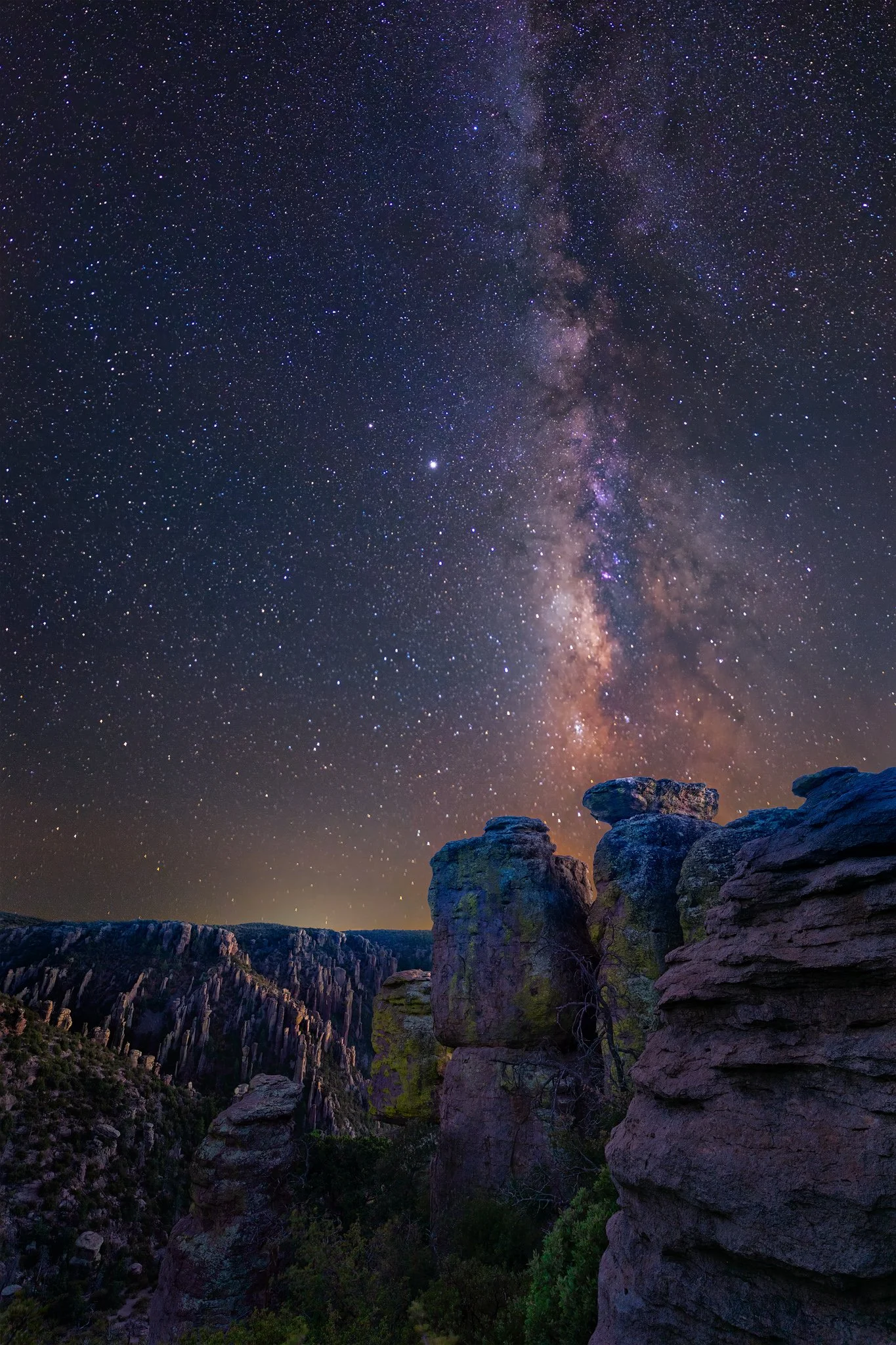
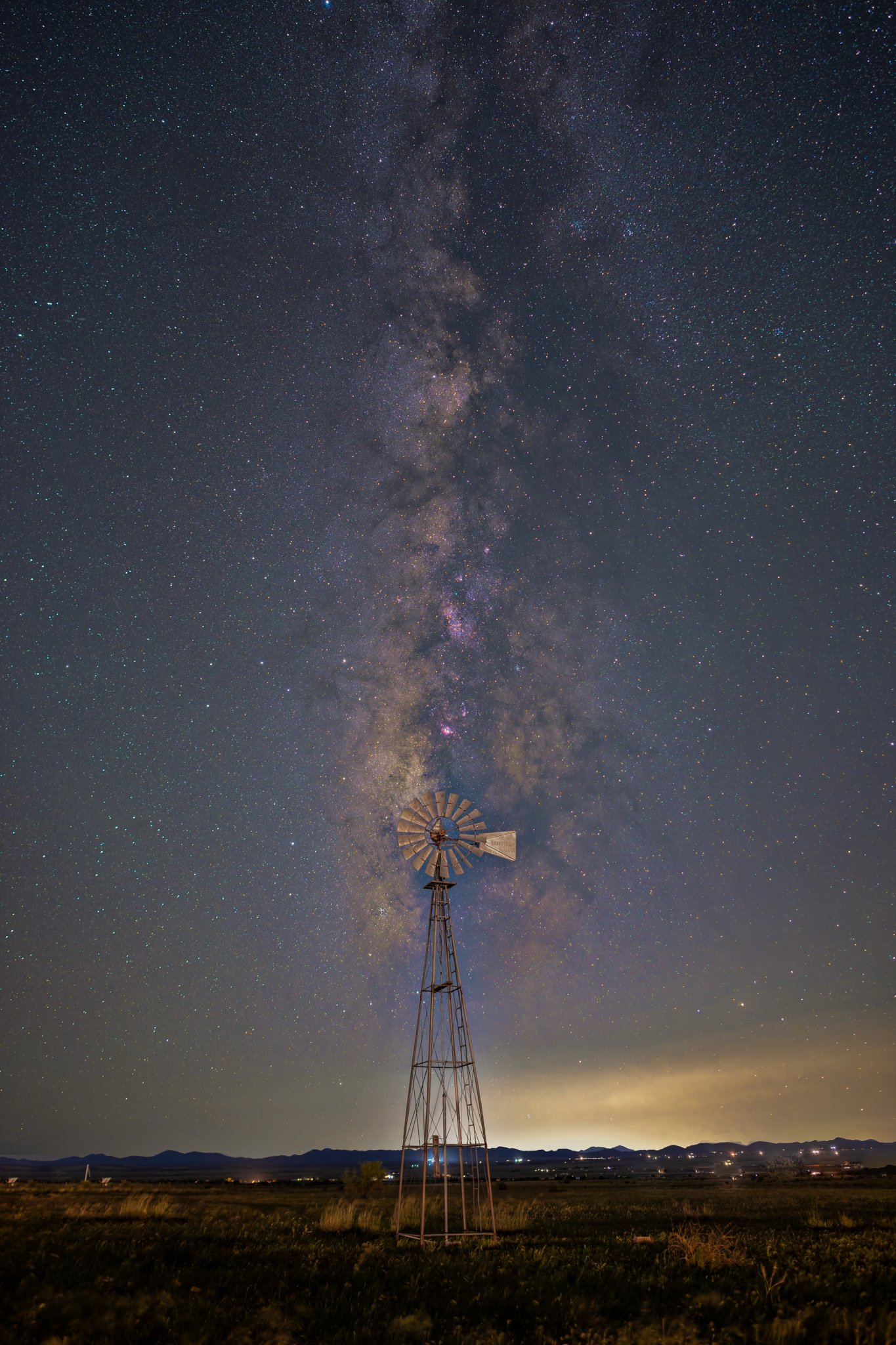
An unmatched blend of landscape, history, and night sky photography.
Southern Arizona offers some of the most diverse and visually striking landscapes in the Southwest, and the Chiricahua and Dragoon Mountains sit right at the center of it. This region is home to some of the darkest skies in the country, with conditions ranging from Bortle 3 to Bortle 1, offering a rare opportunity to photograph the Milky Way with exceptional detail, contrast, and color.
Throughout the workshop, you’ll focus on building strong compositions with natural foregrounds, simplifying complex scenes, and learning to create images that translate cleanly from capture to final processing. Whether you’re working with dramatic rock formations or more subtle desert textures, the goal is to help you see more intentionally and shoot with purpose.
As night falls, these landscapes take on an entirely different character. With minimal light pollution and wide-open horizons, you’ll photograph the Milky Way rising above the terrain using a range of techniques, including single exposures, stacked images, and tracked skies. You’ll leave with a clear understanding of how to approach night photography in the field and the confidence to repeat it on your own.
This workshop is built to meet you where you are. If you’re new to night photography, you’ll develop a repeatable process. If you already have experience, you’ll refine your technique and expand your ability to create stronger images in a variety of conditions.
Workshop Description
Our Signature Locations
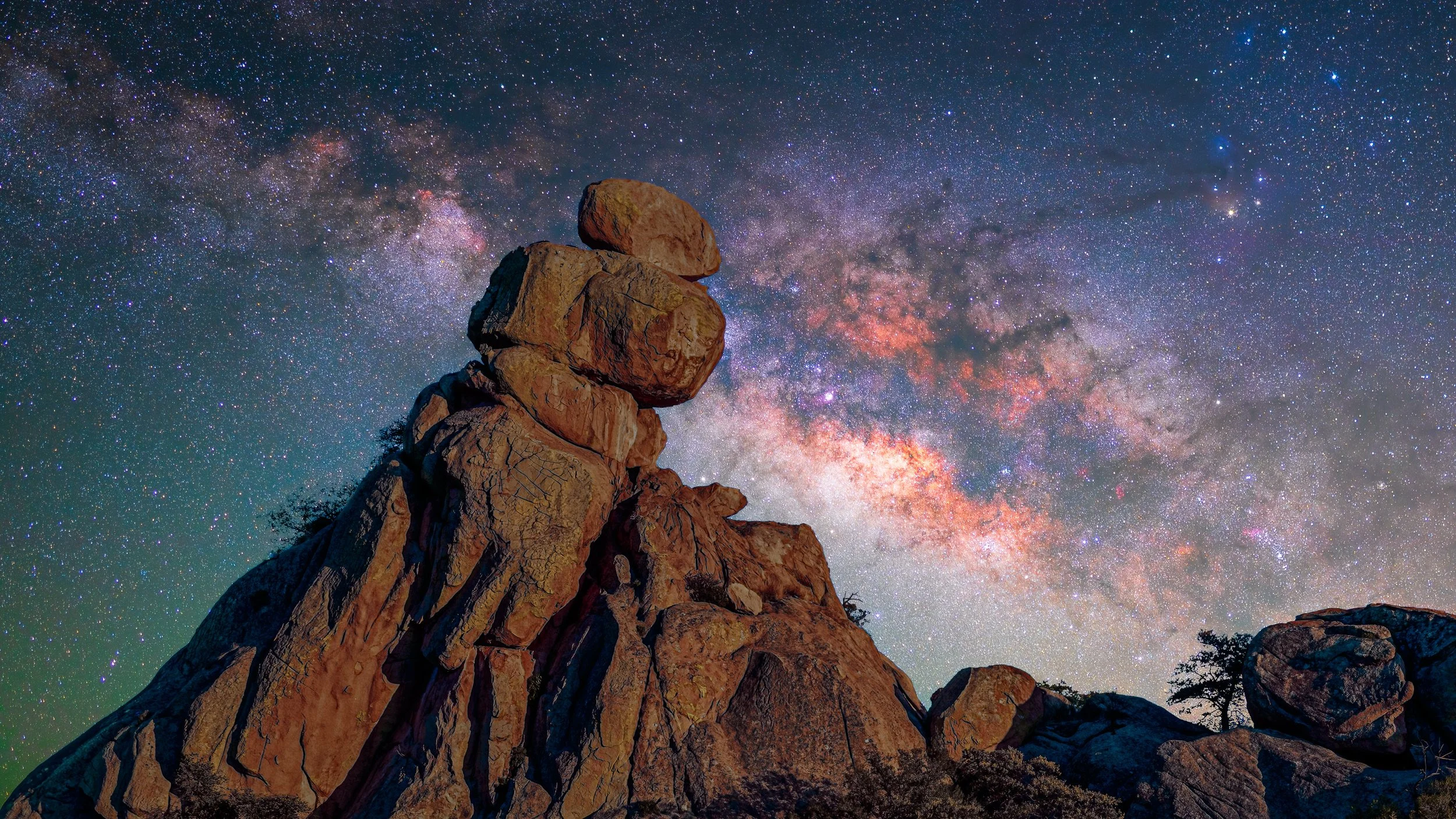
Chiricahua National Monument
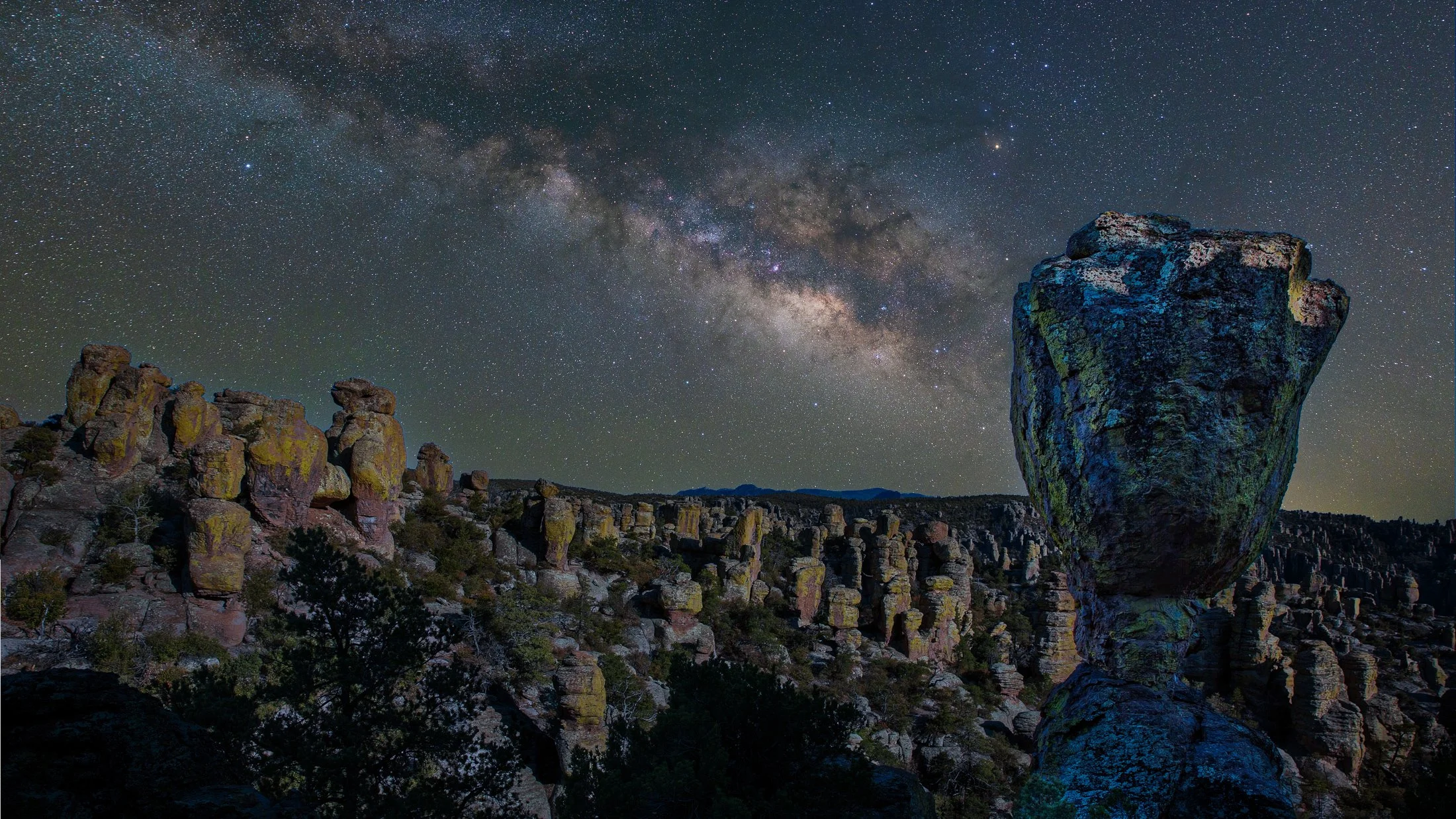
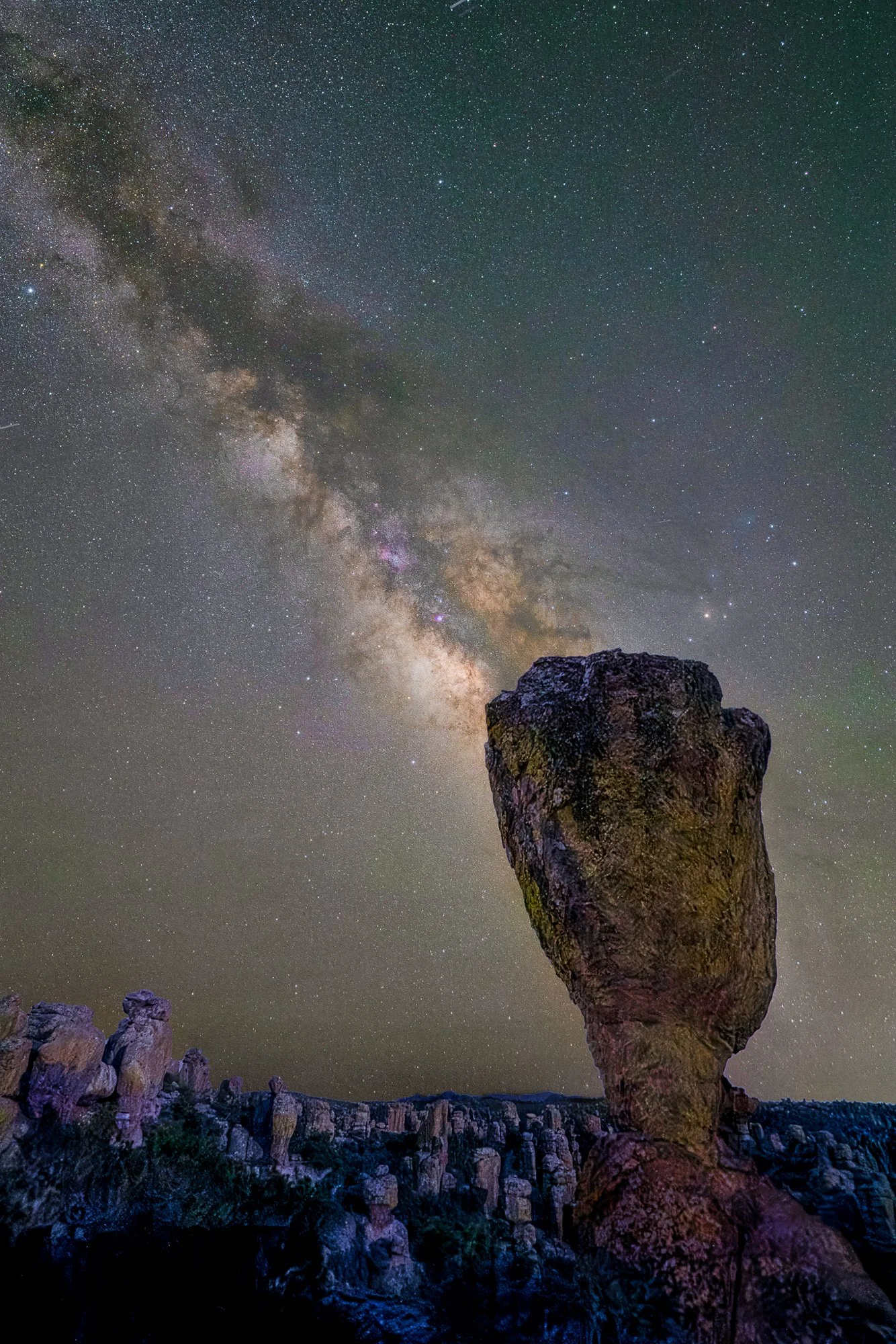
The Chiricahuas offer something few night photography locations can match: truly unique, sculpted foregrounds in Bortle 2 skies. Towering hoodoos, balanced rock formations, and narrow canyon corridors create natural compositions that feel almost otherworldly, especially under dark skies.
We’ll work these locations from late afternoon through full darkness, building images that take advantage of changing light, shadow, and sky position. As the Milky Way rises, you’ll learn how to align it with these formations to create images that feel both dramatic and intentional.
What You’ll Learn in These Locations
Planning Milky Way shoots using apps, sky charts, and moon phases
Dialing in exposure, focus, and white balance for clean, low-noise night images
Composing with complex rock formations to create depth and visual flow
Using foreground elements to anchor wide-angle night sky images
Using a star tracker to create cleaner, more detailed night sky images, including setup, alignment, and workflow in the field
Working through challenging terrain and angles to find strong compositions
Simple post-processing techniques in Lightroom and Photoshop to bring out detail in both sky and foreground

The Dragoon Mountains offer a completely different photographic experience, defined by rugged granite formations, clean lines, and expansive desert views. Unlike the sculpted complexity of the Chiricahuas, the Dragoons reward simplicity—strong foreground elements, open compositions, and deliberate use of space.
This range is also rich in history. It was once the stronghold of Apache leader Cochise, and that sense of isolation and resilience still comes through in the landscape today.
We’ll work these locations from late afternoon through night, using changing light to shape the terrain and build compositions that feel both bold and intentional. Iconic formations like Leaning Rock provide natural anchors for wide-angle images, while other scenes allow you to frame the Milky Way through openings in the rock, creating depth and a strong sense of place.
Dragoon Mountains
What You’ll Learn in These Locations
Planning Milky Way compositions with clean horizons and strong foreground placement
Dialing in exposure, focus, and white balance for sharp, low-noise night images
Simplifying compositions to create stronger, more impactful images
Using light and shadow to define shape, texture, and depth
Positioning foreground elements to complement the sky without competing with it
Adapting compositions as conditions change throughout sunset and into night
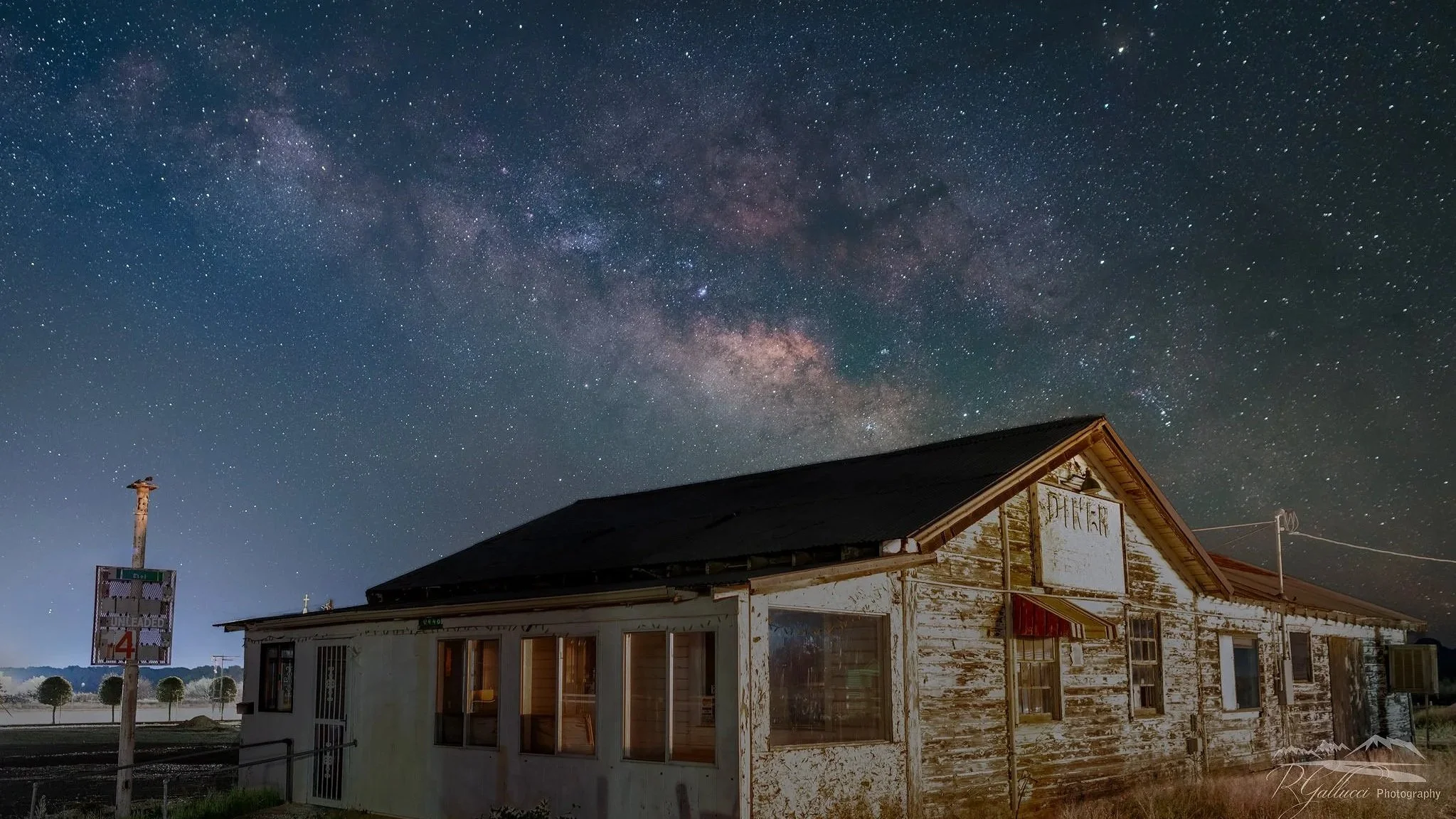
Some of the most compelling images in the Southwest come from locations where history and landscape intersect. This portion of the workshop focuses on a carefully selected group of iconic Southern Arizona scenes—places that bring character, story, and a sense of time into your images.
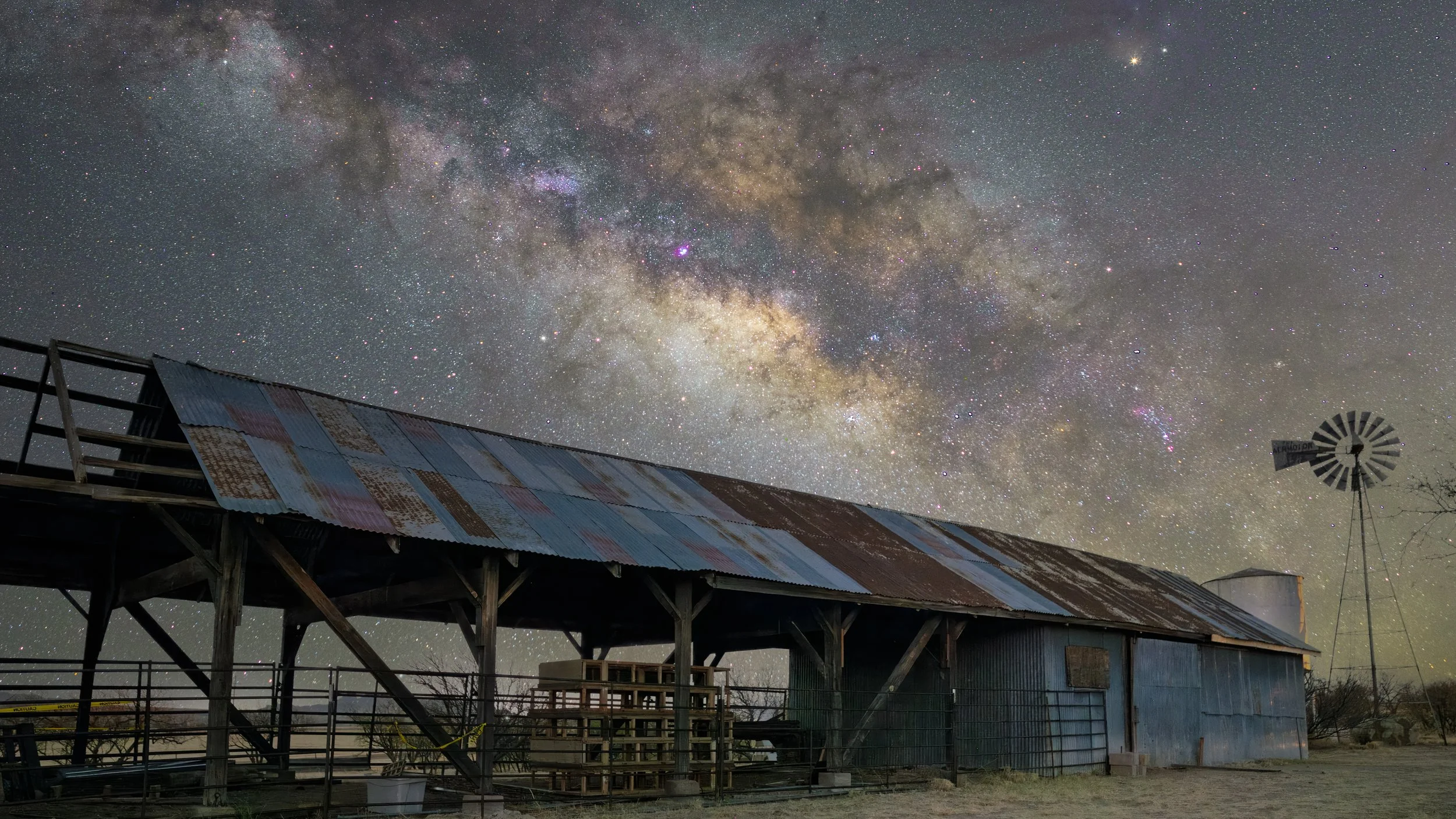
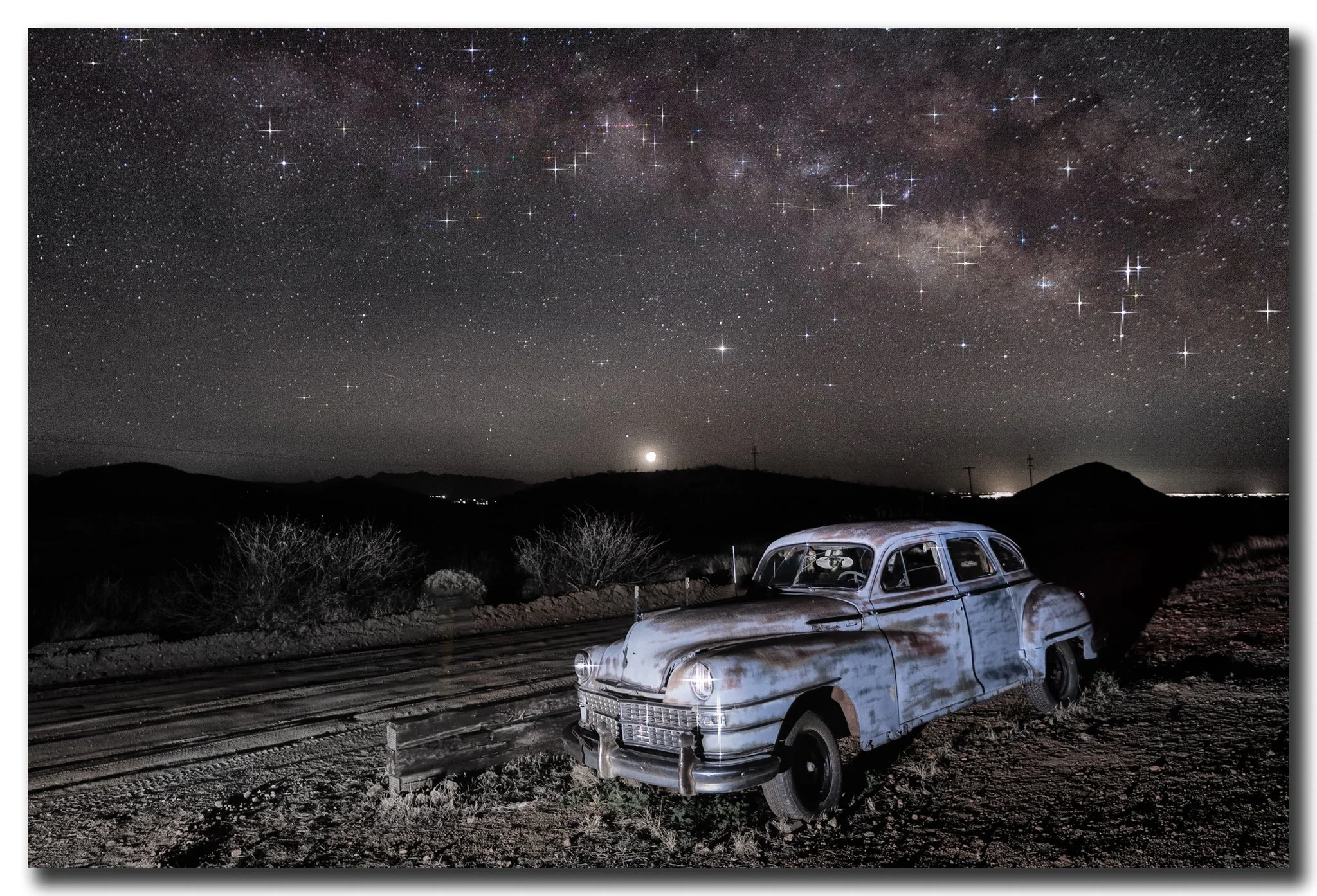
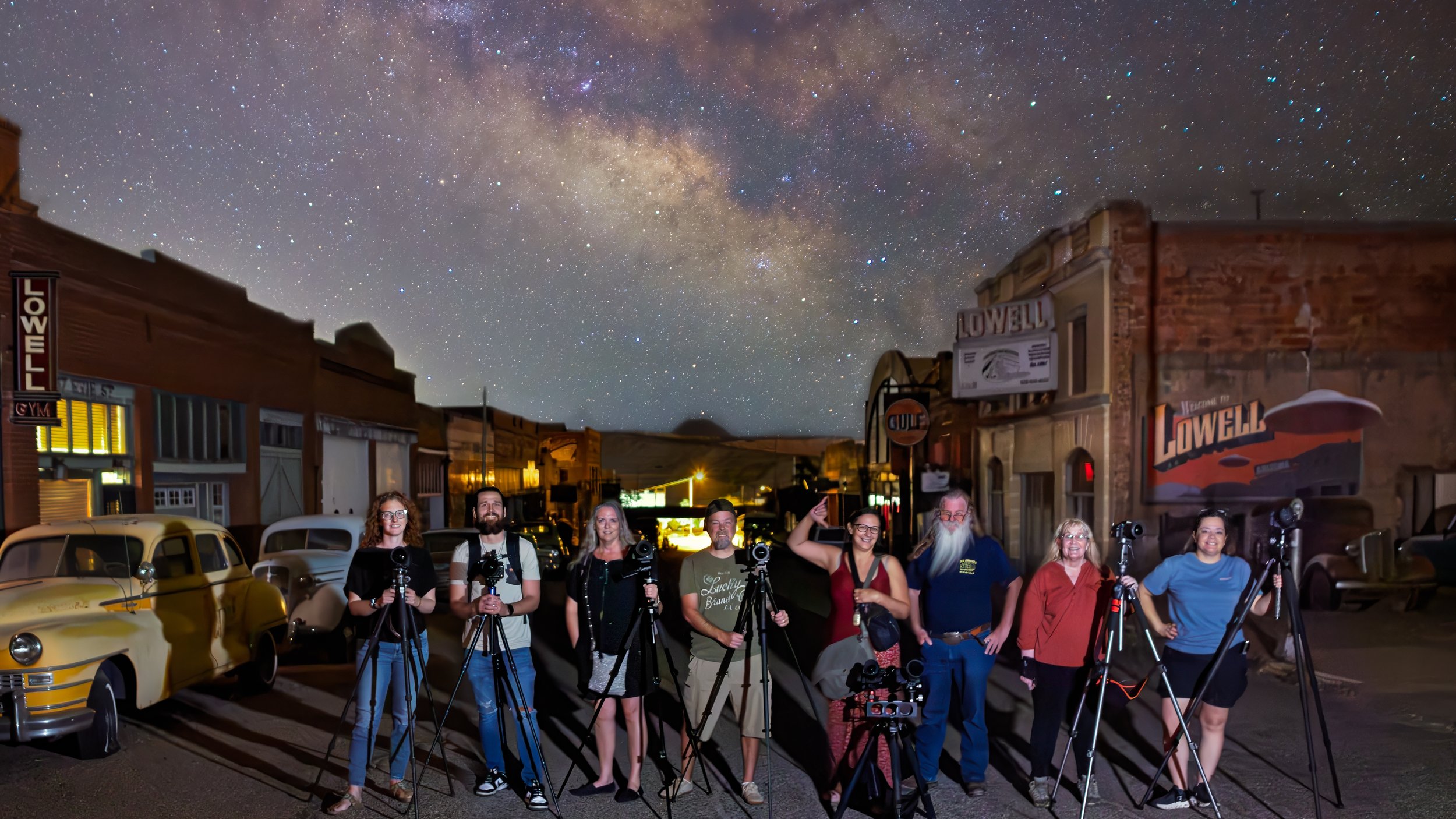
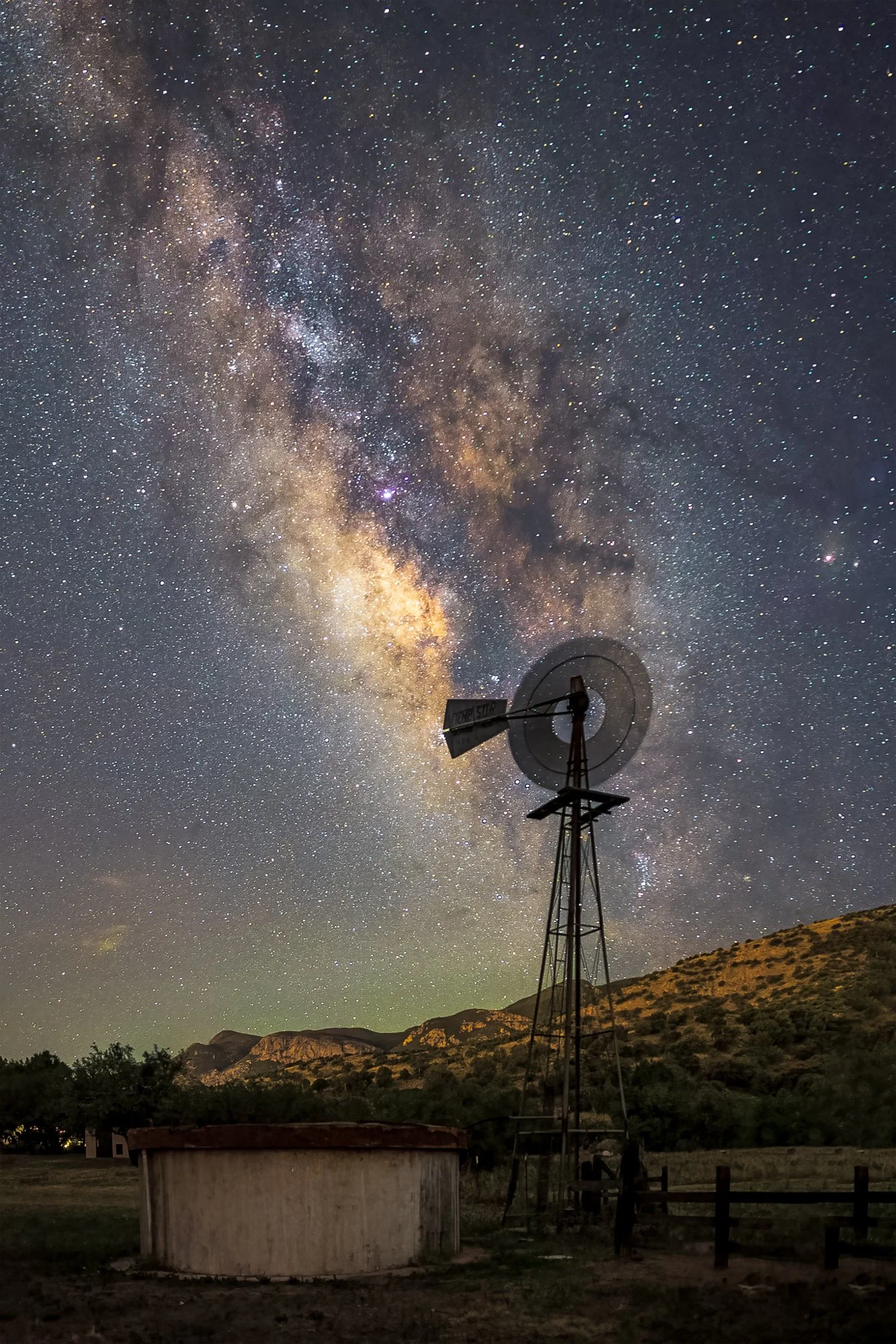
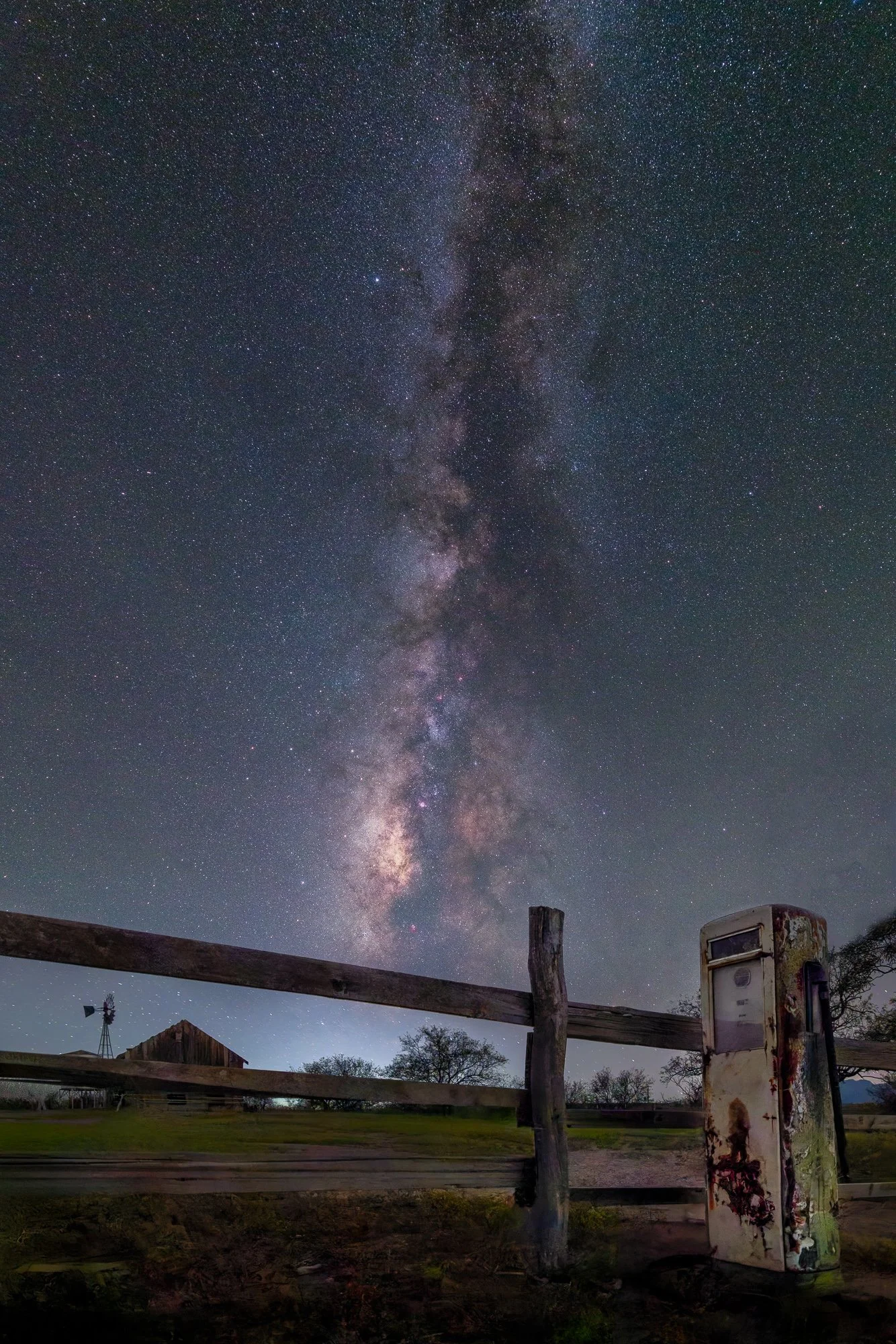
We’ll photograph historic structures and classic roadside subjects, including the Palominas Diner, the Old Truck, Empire Ranch, Brown Canyon Ranch, and the Elgin Windmill. These locations offer strong, recognizable foregrounds that pair naturally with the night sky, allowing you to create images that feel both grounded and cinematic.
We’ll work these scenes from twilight into full darkness, learning how to balance ambient light with the night sky so that both the subject and the stars retain their presence in the final image. The goal is to create photographs that go beyond landscape and capture a true sense of place.
Classic Southwest Icons
What You’ll Learn in These Locations
Planning Milky Way compositions around man-made foregrounds
Balancing artificial and ambient light with the night sky
Using light selectively to highlight structure without overpowering the scene
Composing with buildings, vehicles, and roadside elements to tell a story
Managing mixed light sources (warm/cool) for natural color balance
Simple post-processing techniques to blend sky and foreground cleanly

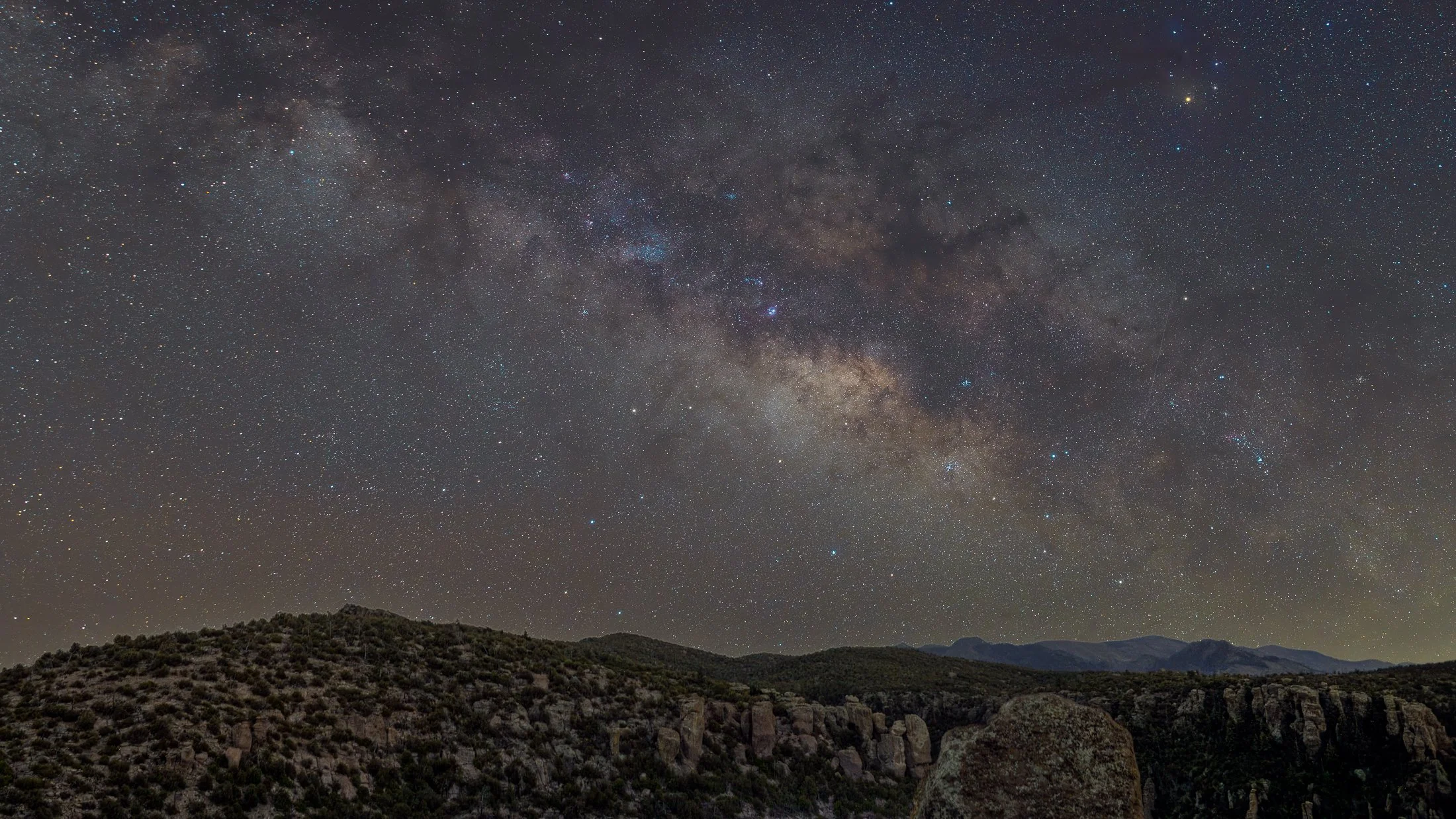
These dates are selected based on Galactic Core visibility, moon phase, and optimal night sky conditions.
| Date | Sunset | Moonset | Moon % | GC Rise | GC Ends | Shooting Window |
|---|---|---|---|---|---|---|
| 9/10* | 6:33 PM | 6:19 PM | 0% | 7:55 PM | 11:30 PM | 3h 35m |
| 9/11 | 6:31 PM | 6:48 PM | 0.1% | 7:54 PM | 11:26 PM | 3h 32m |
| 9/12 | 6:30 PM | 7:18 PM | 1.7% | 7:52 PM | 11:22 PM | 3h 30m |
| 9/13 | 6:29 PM | 7:48 PM | 5.5% | 7:51 PM | 11:18 PM | 3h 27m |
*September 10 is an optional early arrival bonus session scheduled to take advantage of the new moon and optimal dark sky conditions.
Each night offers approximately 3.5 hours of Galactic Core visibility under some of the darkest skies in the United States (Bortle 3 to Bortle 1), providing extended shooting time and exceptionally clean, detailed Milky Way images.
Night Sky Conditions and Timing
Workshop Details
Locations
Chiricahua National Monument, Dragoon Mountains, Sonoita, Hereford, Palominas, Tombstone, and surrounding areas
Base Location
Sierra Vista, Arizona
(You are responsible for lodging; we will provide hotel suggestions)
Group Size
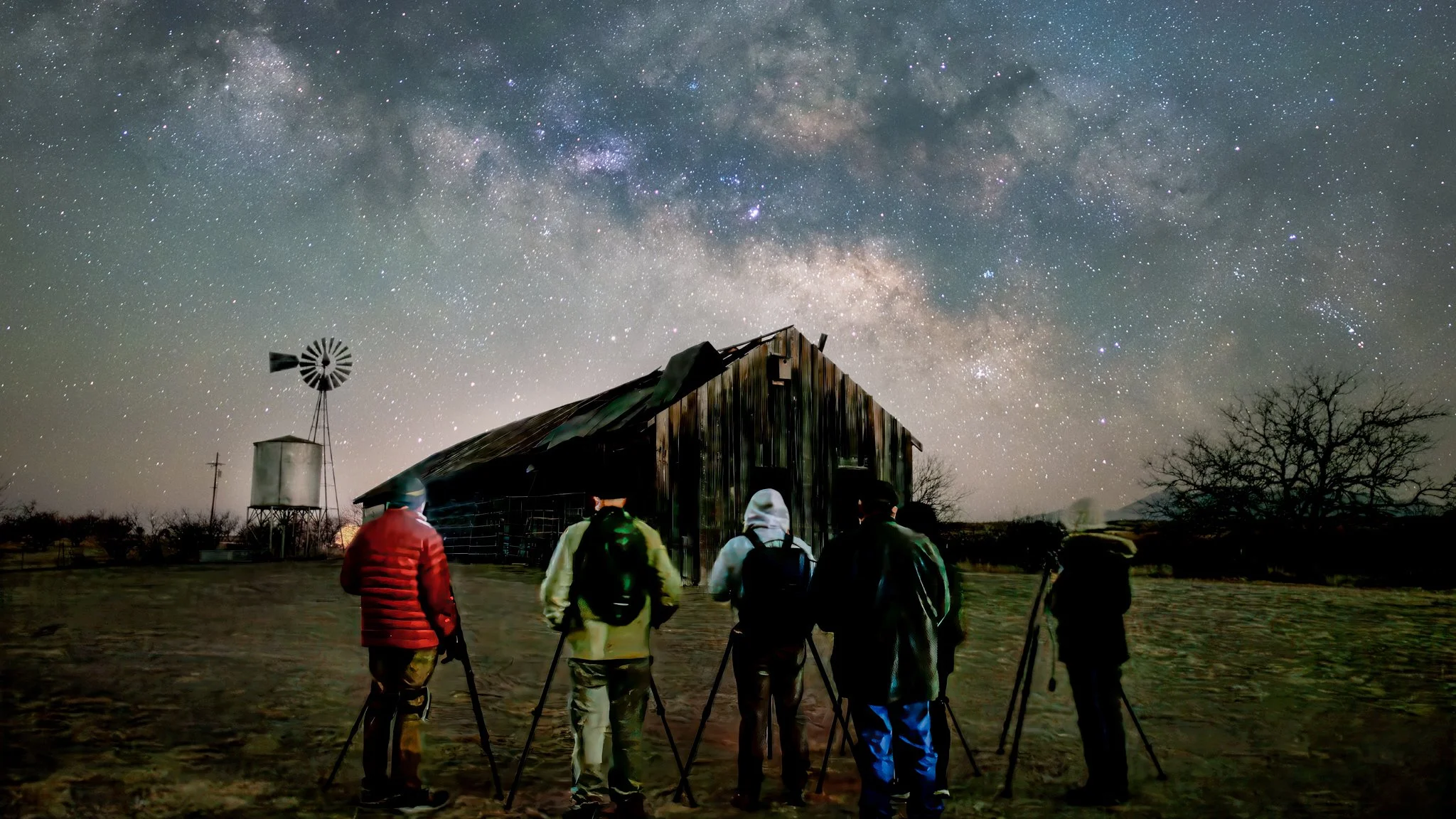
Limited to 6 participants per workshop to ensure personalized, one-on-one instruction in the field
Skill Level
Beginner through advanced.
You should be comfortable operating your camera in manual or semi-automatic modes.
Physical Requirements
Moderate walking on uneven terrain, setting up and working with a tripod at night, and extended evening shooting sessions
Schedule
Typical Daily Flow
Afternoon meet-up, location briefing, and Milky Way alignment planning, including Galactic Core visibility, moon position, and sky conditions
Travel to selected locations in the Chiricahuas, Dragoons, or surrounding areas
Twilight scouting, composition setup, and foreground selection
Sunset shooting (when applicable), focusing on light, shadow, and scene development
Dinner planning based on location — for remote shoots in the Chiricahuas and Dragoons, we will either eat early and bring food with us (picnic-style dinners are common)
Night session photographing the Milky Way using single exposures, stacked images, or tracked setups
Real-time instruction in the field, including composition adjustments, focusing, and exposure refinement
Return to base late evening or after midnight, depending on conditions
| What's Included | What's Not Included |
|---|---|
|
|
|
* We typically bring extra equipment, including star trackers, filters in common sizes, Canon cameras and lenses, and tripods. If you forget something, there’s a good chance we can help. |
|
What's Included / What's Not Included
| Category | Recommended Items |
|---|---|
| Camera & Accessories |
We recommend the Rob Gallucci Astro Kit from MoveShootMove |
| Lenses |
|
| Filters |
We recommend the Breakthrough Night Sky Filter |
| Support Equipment |
We recommend ProMediaGear Tripods and Acratech Ball Heads |
|
*Star trackers are optional but highly recommended for participants who want cleaner, more detailed Milky Way images. Some product links above are affiliate links. We may earn a small commission if you purchase through these links, at no additional cost to you. We only recommend gear we use and trust. |
|
Equipment
Frequently Asked Questions
We meet in Sierra Vista, Arizona, at the Garden Place Suites—our base for the workshop—for an initial orientation before heading out to our shooting locations in the Chiricahua and Dragoon Mountains. Post-processing sessions and group discussions are also held at the hotel. Final details, including meeting time and logistics, will be sent by email prior to the workshop.
Where do we meet?
What time do we shoot?
We typically begin in the afternoon, especially on days when we travel to more remote locations. We scout and build compositions during daylight, refine them at twilight, and photograph the Milky Way once it is properly aligned and visible in the sky. Exact timing varies based on Galactic Core position, moon phase, and sky conditions.
If clouds move in, we adapt. Depending on conditions, we may shift to alternate locations, explore different compositions, or focus on creative night photography techniques. When possible, we also adjust timing to maximize your chances of clear skies during the workshop.
September falls near the end of monsoon season in Southern Arizona, so storms are still possible. If they develop, we take advantage of the opportunity to photograph lightning and storm scenes. If you have a lightning trigger, bring it. If not, we have units available for you to use during the workshop.
What happens if it's cloudy?
Transportation to Sierra Vista is not included. Once the workshop begins, we coordinate a small number of vehicles and provide transportation to and from shooting locations to keep things simple and efficient.
Is transportation included?
Yes. All of our workshops are hands-on, teaching-focused experiences. We work with you in the field to dial in exposure, focus, composition, and technique based on your specific camera and lens. Whether you’re new to night photography or refining advanced skills, you’ll leave knowing exactly how to repeat the process on your own.
Do you help with camera settings?
Your Team

Rob Gallucci is an internationally recognized, award-winning photographer and instructor known for capturing the power, beauty, and unpredictability of the natural world. His work has been featured in major publications, books, and on television.
He specializes in teaching photographers how to create compelling images in challenging conditions, combining technical precision with a deep understanding of light, weather, and night-sky alignment. Whether working with storms, the Milky Way, or remote desert landscapes, Rob focuses on helping students not only capture the shot but also understand how to repeat it on their own.
Rob Gallucci
Lead Instructor & Workshop Director
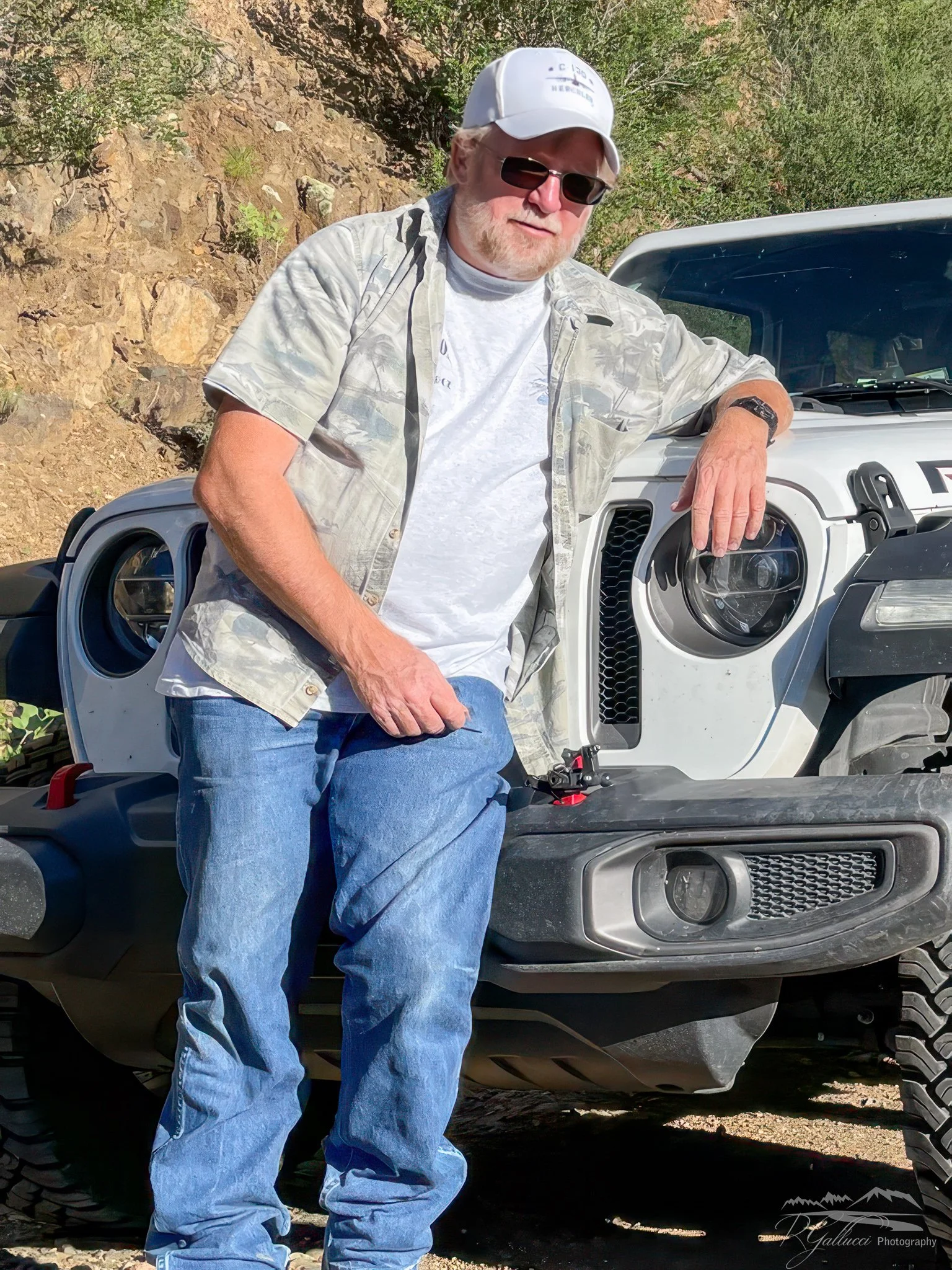
Jim Hazen is known for his attention to detail and methodical approach to photography. Whether planning complex shoots like Milky Way alignments or working fast-changing storm conditions, he brings precision and consistency to every situation.
A master photographer shooting the Canon system, Jim specializes in Milky Way and storm photography. Drawing on a career as an Air Force Officer, he combines discipline, preparation, and a calm, structured teaching style that helps photographers execute with confidence in the field.
Jim Hazen
Senior Instructor
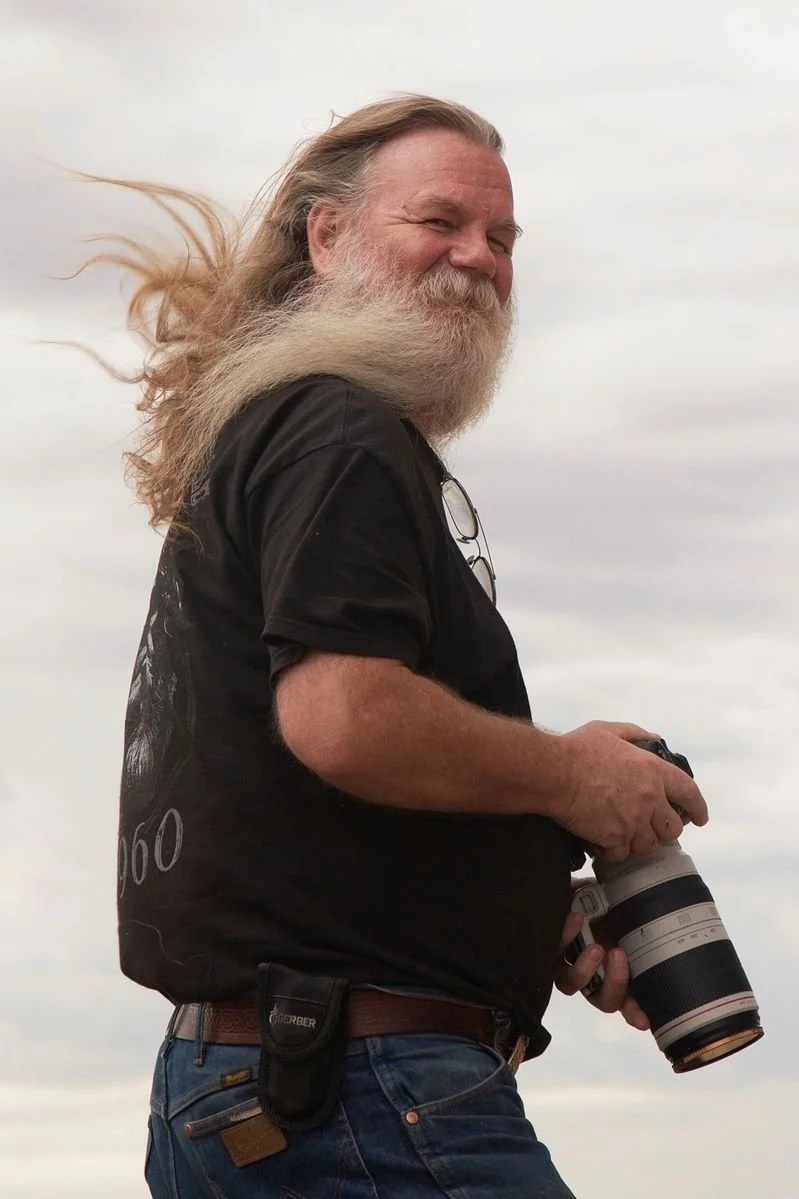
Known as Flano, John Flanigan brings extensive experience in extreme weather and night sky photography. From chasing tornadoes across the Great Plains to photographing monsoon lightning, eclipses, and the Milky Way, his work is built on preparation, timing, and an instinct for reading conditions before they fully develop.
His teaching focuses on helping photographers interpret changing environments, anticipate opportunities, and position themselves with purpose—so they leave not just with strong images, but with the ability to create them on their own.
John “Flano” Flanigan
Senior Instructor
Reserve Your Spot
Small groups are limited to 6 participants, and sessions regularly sell out.
Select your dates below and secure your spot today.
Split payment options are available at checkout.